

IN THE HEAD OF A PRODUCER
What does it really mean to be a film producer? From developing an idea to bringing a film to the screen, producers play a vital role in shaping the stories we see.
To celebrate the people working behind the scenes, we sat down with this year’s nominees for the Nordic Documentary Producer Award to talk about their experiences, creative processes and the challenges of bringing films to life.
What does it take to navigate the unpredictable world of documentary filmmaking, balance creative ambitions with practical realities and help a story reach its full potential? First up is Juha Löppönen, winner of the Nordic Documentary Producer Award 2026.
What does being a producer mean to you? How would you describe the role to someone who doesn’t really know what a film producer does?
Juha – My own illusions of being a film mogul are shattered every day. I guess in a world of documentary films a producer has many hats, my days can vary from financing activities to delivery runs. Being a producer gives me an opportunity to work with moving image, with people and topics that I care for.
What made you want to become a producer in the first place? Was there a particular moment, film, person or experience that led you towards producing?
J – There were many lucky coincidences along the way. I’ve always enjoyed films in all formats, but it was not a conscious choice to produce them until I was given my first opportunities. I’ve always been curious about learning new things. Having an open mind and meeting the right people led me from the festival world to productions and eventually to producing.
What is the best part of being a producer? What makes you think: this is why I do this?
J – Thoughts about money and fame have passed. I get inspired by new takes on the world and by the good energy that people around me bring. I will probably never have what it takes to direct a film, but I have a lot to facilitate and make them happen. By producing I can be part of the creative process of meaningful films that can bring joy, awareness etc. to the world.
And what is the hardest or most frustrating part? What do you wish people understood better about the realities of producing?
J – Production landscape has become more difficult, I guess it has its ups and downs, the quality of top level projects is higher which sets new standards and producers need to find new ways to achieve them. Also competition on the distribution and festival market is fierce and not all the projects get the attention they deserve.
Producers often work somewhat invisibly compared with directors and actors. What is something producers do that you think audiences – or even the wider film industry – rarely see or understand?
J – I think there is a lot of talk about the films and projects between the producers, financiers and different stakeholders that directors are not part of. One of the invisible things is how the feedback of ongoing film productions is communicated and sometimes filtering the essentials to be discussed with the team.
How do you see the relationship between a producer and a director? What makes that creative partnership work well?
J – There needs to be a common understanding of what kind of film is being pursued and how that is achieved. This of course requires trust and understanding of each other’s methods. Development workshops help to find a common language and when the thoughts are aligned creative work and internally set goals become much easier to achieve.
From your experience working internationally, how does producing in the Nordics compare with producing elsewhere in the world? What do we do particularly well — and what could we learn from other film cultures?
J – Resource wise we are still in a great position compared to many other regions. I have only two experiences of non-europeans co-productions, but on both of the projects the counterparts have been great and extremely professional filmmakers. I guess the key take away from those productions was that established international contacts are extremely important and when you have connections at different regions, financing and releasing (broadcast, festivals) the films and making them reach audiences become much easier.
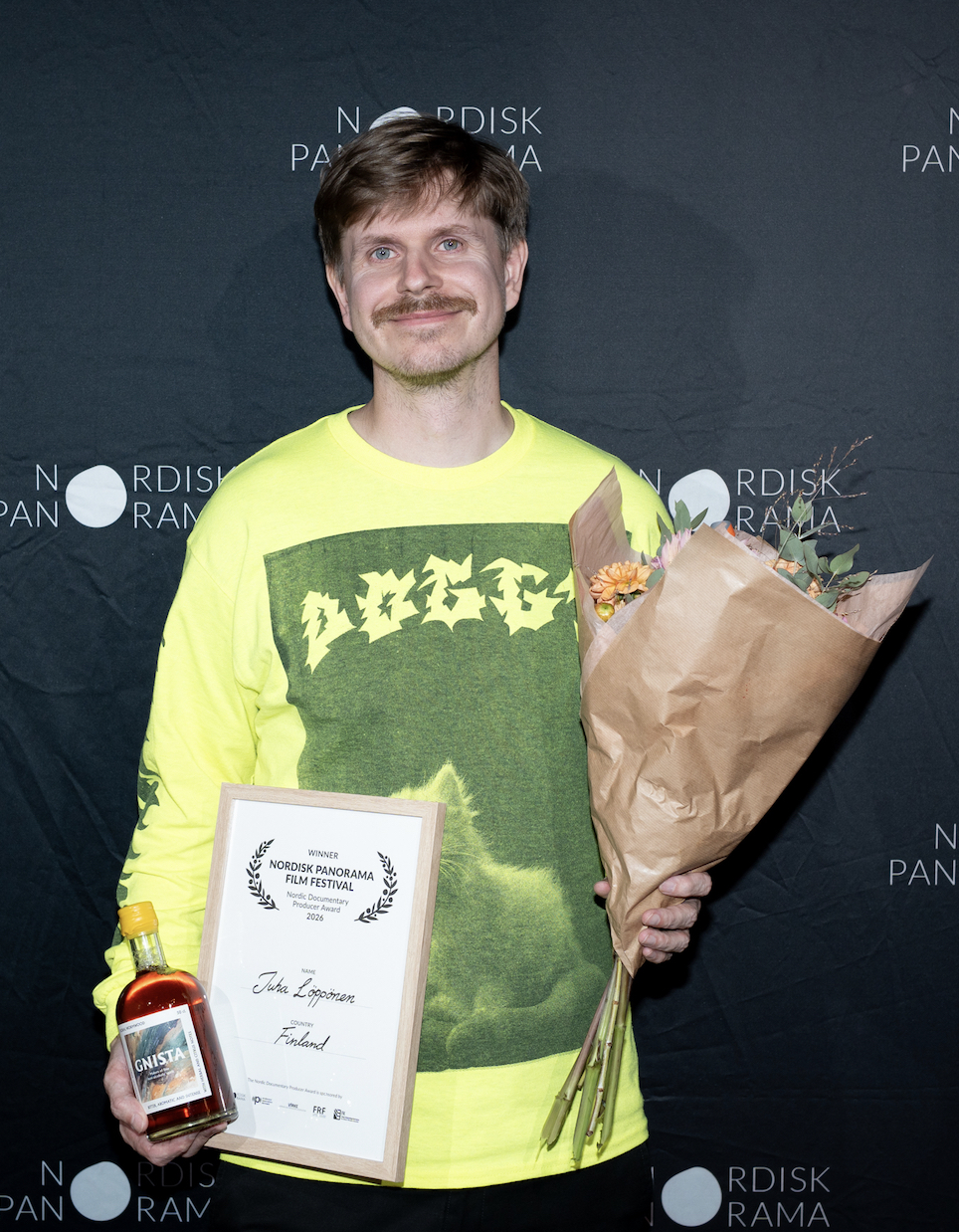
Over the next few weeks, we’ll also be hearing from Helle Faber, Kristín Andrea Þórðardóttir, Elin Kamlert and Elisabeth Kleppe.
Photocredit: Åsa Pålsson
The Nordic Documentary Producer Award is generously sponsored by Nordisk Panorama, the Danish Producers’ Association, Virke Norwegian Producers Association, Filmproducenternas Rättighetsförening (FRF), and the Icelandic Filmmakers Association.
